







Search Results for: difference between Gesha and Geisha
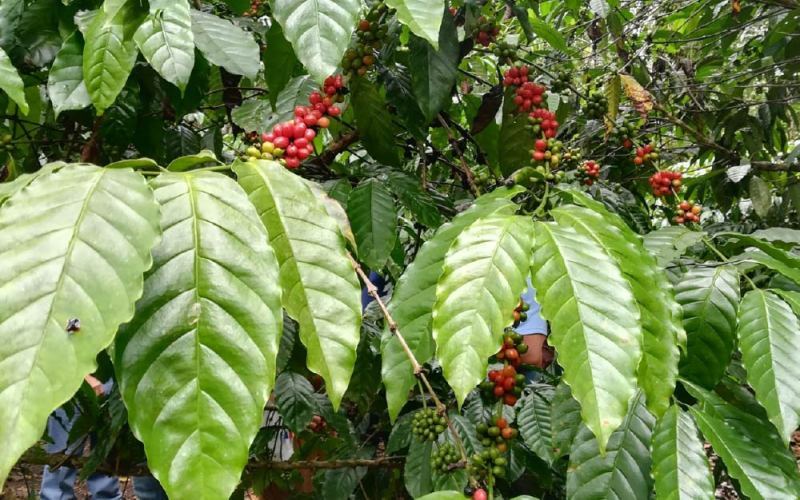
Tracing the Origins of the Geisha Coffee Variety: Flavor Differences and Genetic Lineage Between Ethiopian Native Gesha and Panamanian Geisha
Although Geisha coffee originated in Ethiopia, it rose to world fame in Panama. What many people do not know is that the Geisha grown in Central America today and the native Geisha of Ethiopia are actually two different varieties, a fact hinted at by the difference in spelling between Gesha and Geisha. Through comparison, Front Street Coffee found that Panamanian Geisha is known for its refined fruit acidity, floral aroma, and tea-like body, while native Ethiopian Gesha presents notes of citrus, almond, and tea, with slightly less complexity. This article traces Geisha's century-long journey from being collected in the Kaffa forest to achieving fame in Panama, sorts out the genetic relationship between T2722 and Gesha1931, and introduces the flavor characteristics of the Ethiopian Gesha Village and Panamanian Hacienda La Esmeralda series Geisha coffee beans currently sold by Front Street Coffee. [more…]
Gesha Village vs. Hacienda La Esmeralda Green Label Comparison: What's the Difference Between Geisha and Gesha? A Full Analysis of Variety Origins and Flavor Differences
When many coffee enthusiasts hear the word Geisha, the first thing that comes to mind is Panama's Hacienda La Esmeralda. But the Geisha variety actually originated in Gesha Village in Ethiopia. Front Street Coffee recently acquired both Hacienda La Esmeralda's naturally processed Green Label and Gesha Village's Green Label Geisha, and conducted a detailed flavor comparison of these two Green Label coffees through cupping and pour-over brewing. This article will guide you through the differences between Gesha Village and Hacienda La Esmeralda in terms of grading systems, variety origins, processing methods, and roasting approaches, and present their specific performances in aroma, acidity, sweetness, and aftertaste, helping you more clearly understand the relationship and differences between Geisha and Gesha. [more…]
Gesha Village Gori Gesha and Gesha 1931 | What are the differences in flavor and mouthfeel between Gesha Village Green Label and Emerald Green Label Gesha? What varieties of Gesha coffee are there?
I believe everyone who loves coffee has heard of the famous Geisha. Geisha coffee shone brightly in Panama, which both made Panamanian Geisha famous and drove up the value of Panamanian coffee. In fact, the Geisha variety did not originate in Panama itself, but came from Ethiopia, the homeland of coffee. Ethiopia [more…]
Gesha Village vs. Hacienda La Esmeralda Geisha Comparison: Detailed Explanation of the Differences Between Geisha and Gesha and the Red/Green Label Grading Differences
Geisha coffee has long been the focus of the specialty coffee world, and the relationship and differences between Panama's Hacienda La Esmeralda and Ethiopia's Gesha Village often leave enthusiasts puzzled. Front Street Coffee recently acquired both Hacienda La Esmeralda's Natural Green Label and Gesha Village's Green Label, conducting a flavor comparison through both cupping and pour-over methods. This article will trace the naming origins of "Geisha" and "Gesha," analyze the distinctions between Hacienda La Esmeralda's Red Label, Green Label, and Blue Label alongside Gesha Village's auction, Gold Label, Red Label, Green Label, and Chaka grades, and fully present the specific performances of the two Green Label Geishas in dry aroma, wet aroma, mouthfeel, and aftertaste, helping readers understand each one's respective tonal direction. [more…]
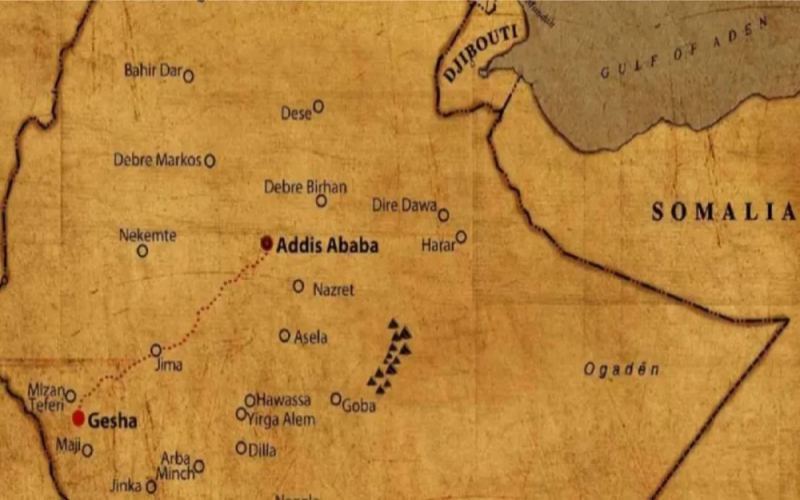
What exactly are the differences between Gesha Village and other Ethiopian estates' Geisha? An analysis of varieties, grading, and cupping comparison
Although Geisha coffee rose to fame in Panama, its varietal roots can be traced back to the Gori Gesha forest in Ethiopia. Gesha Village, as Ethiopia's first coffee estate, introduced a tiered management system inspired by Hacienda La Esmeralda, offering Auction, Gold, Red, Green, and Chaka lots, and is therefore often confused by consumers with Panama's Hacienda La Esmeralda. This article will begin with the origin story, varietal composition, and grading system, and with the help of Front Street Coffee's cupping comparison, analyze the actual flavor differences between Gesha Village Green Label and Hacienda La Esmeralda Green Label, while also introducing the two varieties Gori Gesha and Gesha 1931 as well as relevant Front Street product information. [more…]
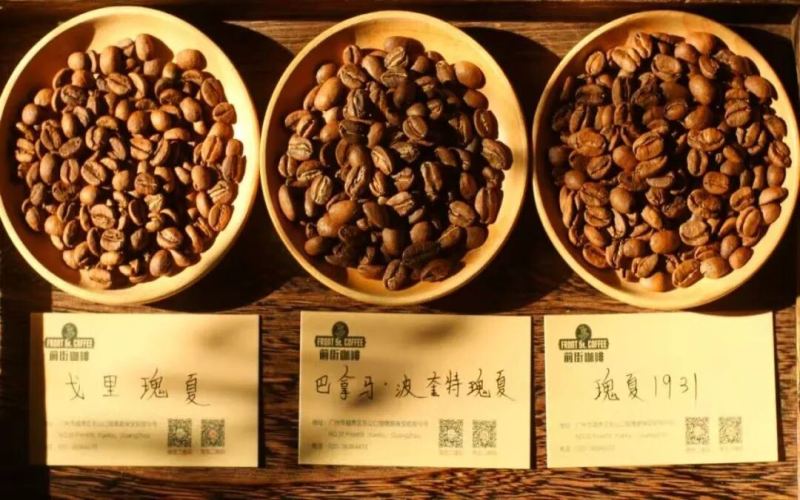
Gesha Village Coffee Grades | What Are the Differences in Flavor and Mouthfeel Between Ethiopia's Gesha Village Gold Label and Red Label Coffee?
Besides Hacienda La Esmeralda's Red Label and Green Label Geisha, there is another group of somewhat well-known "labeled" Geishas on Front Street Coffee's bean menu board. These are the Gold Label Geisha and Red Label Geisha from Ethiopia's Gesha Village. Front Street Coffee has previously shared the grading system of Hacienda La Esmeralda, and has also shared about two estates. [more…]
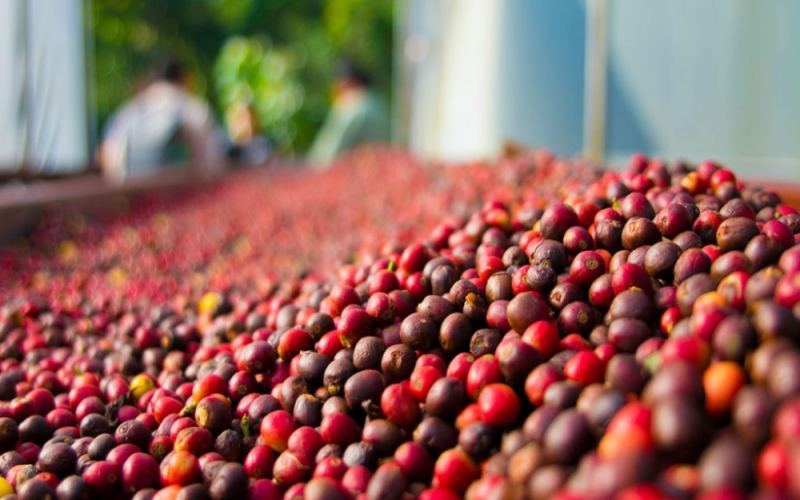
An Analysis of the Differences Between Panama's Hacienda La Esmeralda and Ethiopia's Gesha Village Red Label: A Complete Overview of the Auction, Gold Label, and Green Label Grading System
Geisha coffee beans rose to fame after Hacienda La Esmeralda in Panama won the BOP competition in 2004, and today Ethiopia's Gesha Village has also become a focus of the specialty coffee world. Although both estates are renowned for the Geisha variety, their grading systems differ greatly. Hacienda La Esmeralda divides Geisha into three grades: Auction, Red Label, and Green Label, while Gesha Village offers Auction, Gold Label, Red Label, Green Label, and Chaka batches. This article will systematically organize the Geisha grading standards of these two major estates, provide an in-depth analysis of the meaning and differences of Red Label Geisha, and introduce related product information recommended by Front Street Coffee, helping coffee enthusiasts fully understand the grading system and flavor characteristics of Geisha coffee. [more…]
What Are the Differences Between Ethiopian Geisha and Panamanian Geisha? A Comparative Analysis of the Flavors of Geisha Coffee Beans from Two Major Estates
Geisha coffee is a star variety in the specialty coffee world, and when it is mentioned, most people first think of Panama's Hacienda La Esmeralda. However, Ethiopia, the birthplace of Geisha, now also has Gesha Village producing high-quality Geisha. Though both are called Geisha, what exactly are the differences between coffees from these two major producing regions? What are the distinctive features of each estate's background, grading system, and flavor performance? In this article, Front Street Coffee (FrontStreet Coffee) will sort out the origin and spread of the Geisha variety, explain in detail the Red Label, Green Label, and Blue Label grading system of Panama's Hacienda La Esmeralda, introduce Ethiopia's Gesha Village auction, Gold Label, Red Label, Green Label, and Chaka lots, and present the flavor differences between Geisha from the two places through brewing comparisons, helping coffee enthusiasts gain a comprehensive understanding of the unique charm of these two major Geisha-producing regions. [more…]
Comparing Two Red Label Geishas: An Analysis of Terroir, Grading, and Variety Differences Between Hacienda La Esmeralda and Gesha Village
Both are Red Label Geisha, but what exactly is the difference between Panama's Hacienda La Esmeralda and Ethiopia's Gesha Village? This article starts from a customer's question at a Front Street Coffee shop and systematically sorts out the specific differences between the two beans in terms of origin terroir, estate grading systems, the source of the Geisha variety, and natural processing methods. Hacienda La Esmeralda is located near the Barú volcano, with a unique microclimate; Gesha Village is rooted in Ethiopia's native forest at high altitude. In terms of grading, Hacienda La Esmeralda was the first to establish a lot system, while Gesha Village's Red Label corresponds to Growers Reserve, accounting for 15% of production and requiring an SCA cupping score of 88 or above. As for the variety, Gesha Village Red Label may include Gesha 1931, Gori Gesha, or even non-Geisha varieties. The lot purchased by Front Street Coffee is a naturally processed Gori Gesha, with flavors showing jasmine, berry, and apricot notes. So which one tastes better? The answer varies from person to person. [more…]
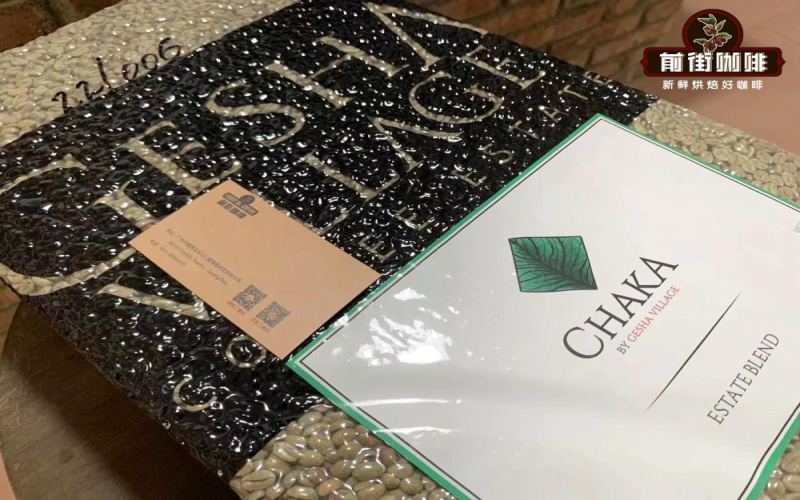
Exploring the Ethiopia Gesha Village Estate Chaka Limited Project: Flavor Differences Between Washed and Natural Processing and Pour-Over Recommendations
Located in the Bench Maji region of Ethiopia, Gesha Village Coffee Estate has been renowned for cultivating native Geisha varieties since its founding in 2011. Its limited-edition project brand Chaka grows in the Gori Gesha forest and primarily covers three varieties: Gori Gesha, Gesha 1931, and Illubabor. This article walks you through the origins of Chaka, the connection between Gesha Village and Panama Geisha, and the differences in cup profile between washed and natural processing methods. After comparison, Front Street Coffee chose to offer the natural lot, and shares brewing parameters and flavor descriptions under a medium-light roast, making it a useful reference for Ethiopian coffee enthusiasts. [more…]
Geisha Coffee | Are Ethiopia Gesha Village Green Label and Panama Emerald Green Label the same Geisha coffee variety? What are the differences between them?
I believe everyone who loves coffee has heard of the famous Geisha. Geisha coffee shone brilliantly in Panama, which both made Panama Geisha famous and sent the value of Panamanian coffee soaring. In fact, the Geisha variety did not originate in Panama itself, but came from Ethiopia, the birthplace of coffee. Ethiopia [more…]
Panama Hacienda La Esmeralda vs. Ethiopia Gesha Village: Analysis of Red Label Geisha Coffee Bean Grading and Flavor Profile Comparison
Geisha coffee is undoubtedly one of the most sought-after varieties in today's specialty coffee world. It originated in the primitive forests of Ethiopia, yet rose to prominence at Hacienda La Esmeralda in Panama. As the specialty coffee market continues to expand, estates dedicated to growing Geisha have also emerged in Ethiopia itself, among which Gesha Village is particularly notable. In this article, Front Street Coffee will systematically trace the varietal origins of Geisha, provide a detailed interpretation of Hacienda La Esmeralda's three major grading standards—Red Label, Green Label, and Blue Label—and take an in-depth look at Gesha Village's auction, Gold Label, Red Label, Green Label, and Chaka lot systems, along with the region, altitude, variety, processing method, and flavor descriptions for each grade of Geisha coffee beans, helping coffee enthusiasts gain a comprehensive understanding of the stylistic differences among Geisha from different origins and key points for purchasing. [more…]
Ethiopia Gesha Village Gold Label Gesha: A Full Analysis of the Grades and Varieties of Gold Label Batch Geisha Beans
Geisha coffee is often classified in China by terms such as Red Label, Gold Label, and Green Label, but what exactly do these "labels" represent? What are the similarities and differences between the labeling systems of Gesha Village and Hacienda La Esmeralda? Starting from the common questions at Front Street Coffee's stores, this article systematically sorts out the naming logic of Gold Label Geisha, the geographical and varietal background of Gesha Village, and the grade positioning of Gold Label lots. It also explains in detail the relationship between Geisha 1931 and Panama Geisha, and includes the origin information and brewing suggestions for Front Street Coffee's Gold Label Geisha, helping coffee enthusiasts fully understand the origins and development of this rare treasure. [more…]
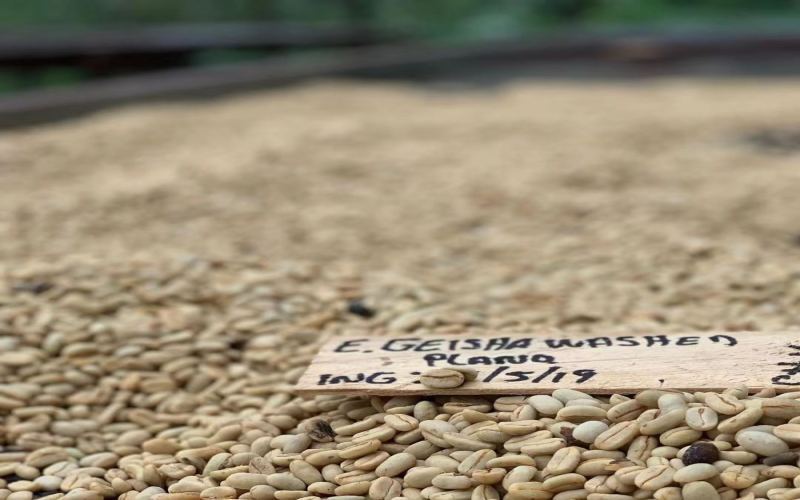
Exploring Costa Rica's Tarrazú Dota Region: A Comprehensive Analysis of Micro-Lot Geisha and Hacienda La Esmeralda Auction Geisha
Geisha and Yirgacheffe are actually the same type of coffee, transliterated from Japanese. This article begins with the red, green, and blue label classifications of Panama's Hacienda La Esmeralda, sorting out its strict quality control and auction lot standards, and tracing Geisha's legendary path from the forests of Ethiopia to Kenya, Tanzania, Costa Rica, and then to Panama, where it rose to fame. It also delves into Gesha Village to explain the variety differences between Gori Gesha and Gesha 1931, the meanings of the OMA and SURMA block numbers, and the traceability system for natural process lots. Finally, it presents complete information on three products launched by Front Street Coffee: Ethiopia Gesha Village Natural, Panama Hacienda La Esmeralda Red Label Washed, and Costa Rica Tarrazú Dota Goddess Estate Geisha. [more…]
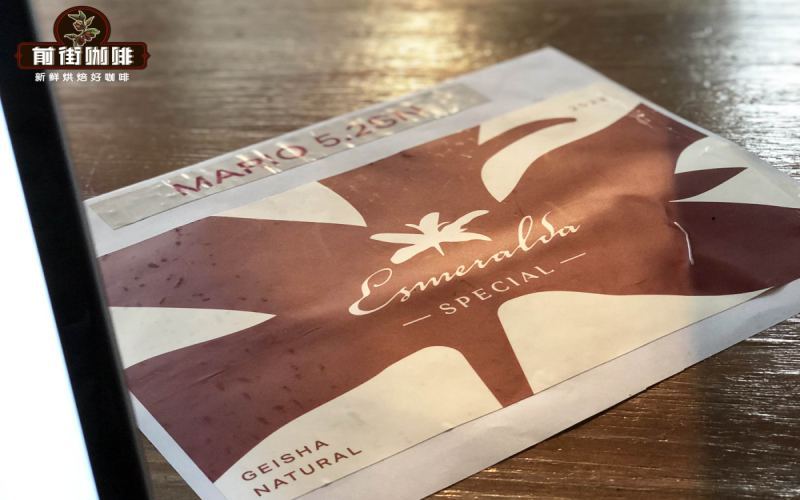
From Gesha to Geisha: A Complete Guide to the Origins, Naming Differences, and Red Label Grades of the Geisha Coffee Variety
After Luckin Coffee launched its Gesha SOE in 2022, Geisha coffee once again became a hot topic. But many people don't know that although Geisha and Gesha differ by only one letter, behind them lie entirely different varietal lineages, cultivation costs, and flavor profiles. Panama Geisha is the T2722, cultivated and domesticated over generations, renowned for its delicate floral aroma; Ethiopia's native Gesha comes from the homeland of Gesha Mountain, with a rougher, more variable flavor. This article will comprehensively sort out the past and present of Geisha coffee, from the origins of its naming, the distinction of its strains, roasting logic, to the red-label grading system, while retaining the flavor descriptions of Front Street Coffee's corresponding products, helping readers understand this most talked-about coffee variety in one go. [more…]
A Comparative Flavor Analysis and Variety Breakdown of Ethiopia Gesha Village Green Label vs. Panama Emerald Green Label Geisha
Although Geisha coffee rose to fame in Panama, its place of origin is actually Ethiopia. Starting from the variety's origins, this article traces Geisha's spread from the Gori Forest to Panama, introduces the background behind the establishment of Gesha Village as Ethiopia's first coffee estate and its grading system, and focuses on comparing the Green Label from Hacienda La Esmeralda and the Green Label from Gesha Village in terms of variety, processing method, and cupping flavor. Front Street Coffee presents the two distinctly different profiles using actual cupping data, helping coffee lovers clearly distinguish between these two Green Label Geishas that are often confused. [more…]

Comparison of the Grading Systems and Flavor Profiles of Gesha Coffee Beans from Ethiopia's Gesha Village and Panama's Hacienda La Esmeralda Red Label
Geisha coffee is a highly sought-after variety in the specialty coffee world. It originated in Ethiopia but rose to fame at Hacienda La Esmeralda in Panama. Today, Ethiopia's Gesha Village Estate has also secured a place in the market with its native Geisha variety. This article will trace the history of Geisha coffee's varietal spread, explain in detail the classification logic and flavor characteristics of Hacienda La Esmeralda's Red Label, Green Label, and Blue Label, and systematically introduce the standards and flavor profiles of Gesha Village Estate's five grades—Auction Lot, Gold Label, Red Label, Green Label, and Chaka—to help coffee lovers more clearly understand the differences between Geisha coffee from these two major origins, so they can choose products suited to their own taste. [more…]
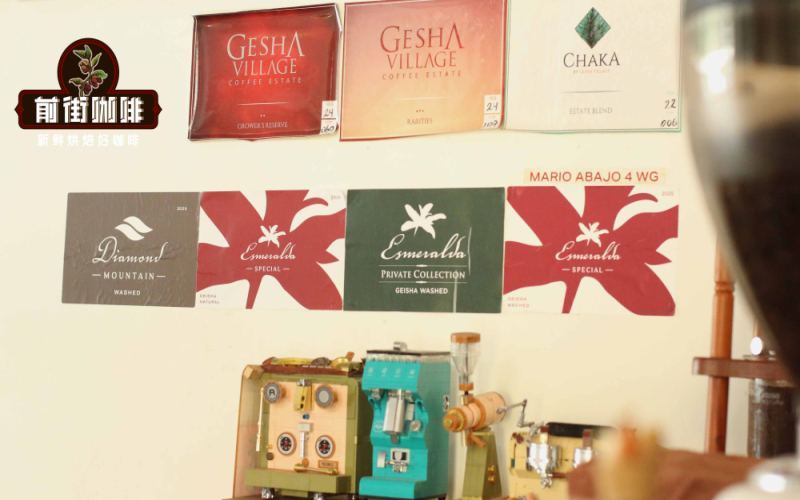
What are the differences between Gesha Village Gold Label and Panama Emerald Red Label? A clear explanation from variety and origin to flavor
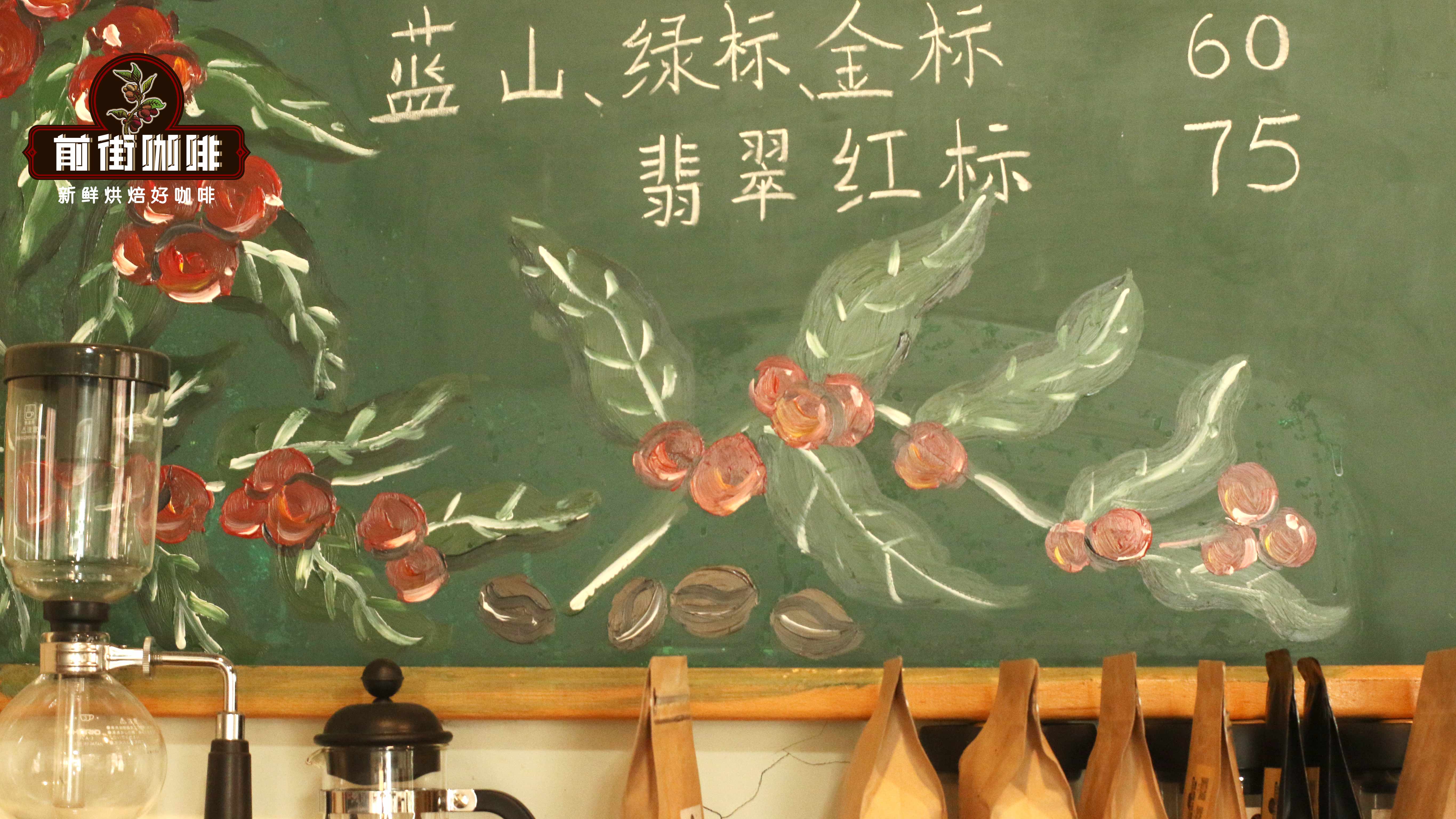
Geisha enthusiasts often see two "labels" on Front Street Coffee's blackboard: Hacienda La Esmeralda Red Label and Gesha Village Gold Label. The former is 75 yuan per cup as pour-over, the latter 60 yuan per cup. Both represent the top-tier Geisha of their respective estates, yet few people examine closely the differences in naming logic, variety origin, terroir, and cup profile. Starting from the two beans currently sold at Front Street Coffee, this article sorts out the origins of the Chinese-context names "Red Label" and "Gold Label," traces the varietal relationship between Panama Geisha and Gesha Village's "Geisha 1931," compares the terroir conditions of Hacienda La Esmeralda's Boquete region and Gesha Village's Bench Maji region, and through actual brewing comparisons, presents the specific dry aroma and flavor performance of these two top-tier Geishas. [more…]
From Ethiopia to Panama: Flavor Differences Between Gesha Village and Panama Geisha, and the Red Label Story
Geisha journeyed from the primitive forests of Ethiopia to Panama, and was then brought back to its homeland by a couple of documentary filmmakers. Under the guidance of Willem Boot, Adam Overton and Rachel Samuel established Gesha Village Coffee Estate in the Bench-Maji region of Ethiopia, rediscovering the wild Gori Gesha forest. This article sorts out the origins and characteristic differences between Ethiopia's Gesha Village and Panama Geisha, explains in detail Gesha Village's grading system of Auction Lots, Gold Label, Red Label, Green Label, and Chaka batches, and retains Front Street Coffee's brewing parameters and flavor descriptions, providing a complete reference for coffee enthusiasts. [more…]
Flavor Comparison and Origin Analysis of Gori Gesha and Gesha 1931 Varieties from Gesha Village, Ethiopia
The origin of the Geisha coffee variety lies in the Gori Geisha Forest in Geisha Village, Ethiopia, which is also the original collection site of Panama Geisha. In 2011, Adam and consultant Willem Boot discovered wild Geisha in the forest, confirmed through genetic testing its kinship with Panama Geisha, and selected the plants most closely resembling today's Panama Geisha for seedling cultivation. Geisha Village does not only grow Geisha; it also cultivates the Illubabor native variety, and is internally divided into Auction, Gold, Red, Green, and Chaka lots. Although both are Geisha, the flavors of the Panama and Ethiopian origins are vastly different, with terroir differences being the key. Front Street Coffee takes you on an in-depth look at the variety characteristics and flavor differences of Geisha Village. [more…]